

Buddhism and Taoism are two traditions that spring to mind when people think about Eastern spirituality. These two disciplines have had a huge impact on both Asia and the modern world in many ways, including health practices, meditation, art, architecture, and even the way we live our daily lives.
They may look the same on the outside, but they have completely distinct beginnings, purposes, and ways of doing things. We can better appreciate the wisdom of both Buddhism and Taoism by learning about them together. This also helps us see how these teachings can be used in today’s world.
The Origins of Taoism
Taoism, or Daoism, started in ancient China. It is one of the oldest spiritual practices that people still do today. The Tao Te Ching by Laozi and the works of Zhuangzi are two of its most important texts.
Taoism says that the Tao, or “the Way,” is how the universe naturally flows. People can live in more harmony, health, and peace of mind by going with the flow. Taoism is different from many religions since it doesn’t stress strict laws. Instead, it promotes flexibility, simplicity, and living close to nature.
Taoist practice includes:
- Meditation: calming the mind to connect with the Tao.
- Qi cultivation: Moving and breathing gently to flow energy around.
- Rituals and symbols are used to promote peace to homes, families, and communities.
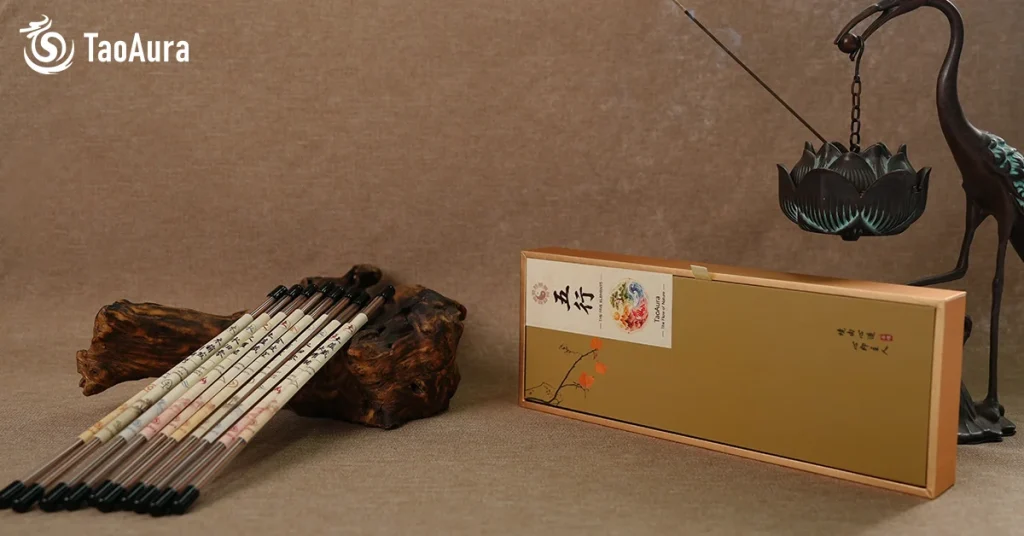
Many current spiritual tools actually stem from Taoism. If you’re interested, TaoAura sells real Taoist things that link current living to these old ways of doing things.
The Origins of Buddhism
Siddhartha Gautama, who subsequently became known as the Buddha, started Buddhism in India about the 5th or 6th century BCE. His teachings expanded throughout Asia, reaching China during the Han era. When Buddhism got to China, it mixed with Taoism and Confucianism, affecting each other and being affected in return.
The Four Noble Truths are the main teachings of Buddhism. They say that life is full of suffering, that attachment causes suffering, that freedom is achievable, and that the Eightfold Path is the way to freedom.
Buddhism includes:
- Meditation and mindfulness: Learning to be aware of your thoughts and feelings.
- Kindness and morality: treating everyone with kindness.
- Monastic life: A lot of Buddhists give their all to their practice.
Taoism is more about being in harmony with the outside environment, while Buddhism is more about the mind and the cycles of rebirth.
Where Buddhist and Taoist Ideas Come Together
Buddhist and Taoist traditions, despite their divergent origins, established a shared foundation in China. This meeting led to the creation of new types of Buddhism, such as Chan Buddhism (later Zen in Japan), which combined the simplicity of Taoism with Buddhist practice.
Things that are alike are:
- Meditation: Both schools of thought think that silence and stillness are important for progress.
- Compassion and balance: Both value living without greed, wrath, or unnecessary strife.
- Non-attachment: Taoists look for liberation via flow, whereas Buddhists look for it through letting go.
This overlap is why many Chinese individuals in the past followed both routes at the same time, perceiving them as complimentary rather than opposing.
The main differences between the Buddhist and Taoist paths
1. The Purpose of Practice
- Taoism: To live in harmony with the Tao, improve your health, and live a long life or even forever.
- Buddhism: To gain enlightenment and break free from the cycle of sorrow and rebirth.
2. How You See Yourself
- Taoism says that the ego is part of the wider flow of nature. Peace comes when you align with it.
- Buddhism: The ego is an illusion in the end. Seeing beyond it is what sets you free.
3. The Purpose of Ritual
- Taoism: Rituals, talismans, and energy practices are all very closely linked.
- Buddhism: There are rituals, but meditation and living a good life are more important.
4. The Connection to Nature
- Taoism: Nature is holy and the best teacher.
- Buddhism: Although nature is valued, the emphasis is on the emancipation of the mind.
Buddhist and Taoist Practices in Everyday Life
Studying philosophy is one thing, but both routes are useful in their own way. Let’s see how Buddhist and Taoist ideas affect our daily lives.
Taoist Ways of Doing Things
- Breathing exercises that help you relax and make your body stronger.
- Tai Chi and Qigong are two types of moving meditation.
- Feng Shui rules to make living areas more peaceful.
What Buddhists Do
- Breathing mindfully to bring your attention back to the present.
- Meditation on compassion to learn to be compassionate to yourself and others.
- Chanting and praying to help you stay focused and devoted.
Both promote a way of life that is simple, balanced, and conscious, which is something that many people in modern society require.
How it changed Chinese culture
For hundreds of years, Chinese culture has been shaped by Buddhism and Taoism.
- Architecture: Taoist temples are generally built into mountains, which makes them look like they belong there. Buddhist temples, on the other hand, often have pagodas and sculptures of the Buddha.
- Art: Taoist artwork show rivers that flow and mystical entities, whereas Buddhist art shows bodhisattvas and scenes from the Buddha’s life.
- Taoism had an effect on Chinese medicine by using energy flow and medicines, while Buddhism stressed compassion in healing.
These traditions are not just faiths; they are cultural forces that still shape health, design, and philosophy all throughout the world.
Lessons for Life Today
The teachings of Buddhism and Taoism seem more relevant than ever in our fast-paced environment.
- Slow Down (Taoism): Stop rushing, move at nature’s speed, and find your balance again.
- Be Kind (Buddhism): Being kind to others restores relationships and lowers stress.
- Seek Simplicity (Both): Living simply makes things clearer and gives you peace of mind.
- Integrate Body and Spirit (Taoism): Qigong and meditation are two examples of practices that are good for your health.
- Buddhism: Awareness and mindfulness relieve you from worry and distraction.
How the teachings of Buddhism and Taoism work well together
A lot of people today use both traditions in their own lives. Like this:
- Calming the body using Taoist breathing exercises.
- Then, use Buddhist mindfulness to relax your thoughts.
- Putting both into practice every day, whether at work, in relationships, or when taking care of yourself.
This combination respects the fact that no one tradition has all the answers. Taoism and Buddhism are both living paths that change to meet the requirements of each generation.
Final Thoughts
Buddhism and Taoism may have different focuses: one looks inner for freedom, while the other looks outward for harmony with nature. But together, they give us two ways to look at the problems we face in life.
Taoist balance and Buddhist compassion are not just ideals; they are useful skills we may employ every day. We may apply these old ideas to our lives now by doing things like mindful meditation, breathing exercises, or just enjoying the beauty of nature.
Both paths tell us that we don’t find serenity, clarity, and harmony by chasing after more. Instead, we find them by looking inside ourselves and going with the flow of life.
*Disclaidisclaier: This article is original by [Taoaura] and is for cultural sharing only, not as medical advice. Please contact customer service.*
You may also like


Related Products

All Natural Incense Sticks – The Earth Sanctuary Single Tube
Original price was: $39.00.$35.00Current price is: $35.00.-10%
Aromatic Incense Sticks – The Fire Resonance Single Tube
Original price was: $39.00.$36.00Current price is: $36.00.-8%
Non Toxic Incense Sticks – The Water Reset Single Tube
Original price was: $39.00.$35.00Current price is: $35.00.-10%
Natural Incense Sticks – The Wood Awakening Single Tube
Original price was: $39.00.$35.00Current price is: $35.00.-10%